
















Home / Supply Chain Systems
Supply chain systems
INTRODUCTION
Supply chain systems built around the requirement
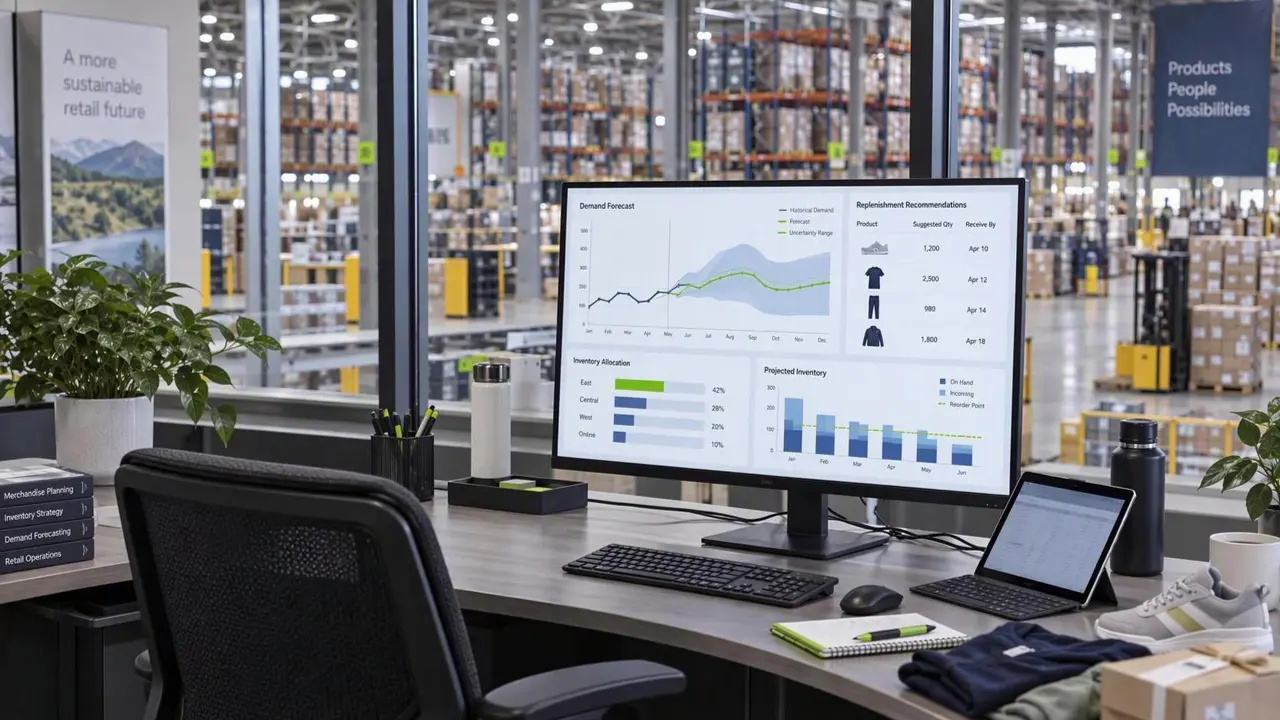
Supply chain systems support critical decisions across forecasting, inventory management, replenishment, supply planning, production planning and warehouse operations. But better technology does not automatically create better decisions.
PTL Co provides independent supply chain systems expertise to help businesses specify, select, review and develop systems around genuine operational requirements. Our work includes warehouse management systems, forecasting and inventory planning systems, planning parameters and AI-enabled supply chain tools.
We focus first on the processes, decisions, data, methodologies and business rules the system needs to support, before determining how technology should deliver them.
Start with the requirement, not the system.
Projects delivered
300+
Independent
Advice
Established
Since 2014
Trusted by
200+ clients
TRUSTED BY LEADING ORGANISATIONS


SUPPLY CHAIN SYSTEMS
The challenge with supply chain systems
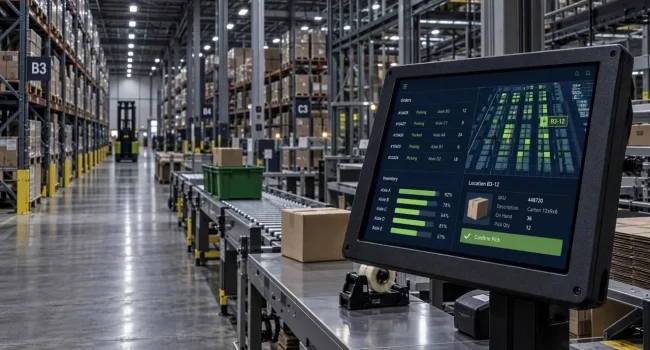
Warehouse management systems, forecasting software, inventory planning systems and wider supply chain planning technology can provide significant capability. But the technology itself is only part of the equation.
Poorly defined requirements, inappropriate planning methods, outdated parameters and processes that do not reflect operational reality can all affect the decisions a system produces.
Before changing or replacing the technology, we look at what decisions the system needs to support, the information those decisions require and how the operation actually works.
That provides a clearer basis for deciding whether the answer lies in a new system, changes to an existing system, different parameters or the development of something bespoke.
SUPPLY CHAIN SYSTEMS CONSULTANTS
Connecting supply chain operations and technology
PTL Co brings independent supply chain expertise to the point where operational requirements meet technology.
We help businesses translate supply chain processes, decisions and constraints into clear system requirements. This can include defining requirements for new systems, challenging the performance and configuration of existing systems, evaluating potential solutions or supporting the development of new tools.
We are independent of software vendors, developers and technology providers. Our role is to establish what the supply chain actually requires and help ensure the eventual solution supports it.
Technology should support the requirement, not define it.
COMMON CHALLENGES
Common supply chain systems challenges
WMS specification & selection
Planning system performance
Planning parameters
Forecasting & inventory methods
System requirements
AI-enabled supply chain tools
CASE STUDIES
Recent supply chain systems projects
- Ecommerce retailer
- Multi-channel operation
- AI-enabled planning approach
AI-enabled demand planning
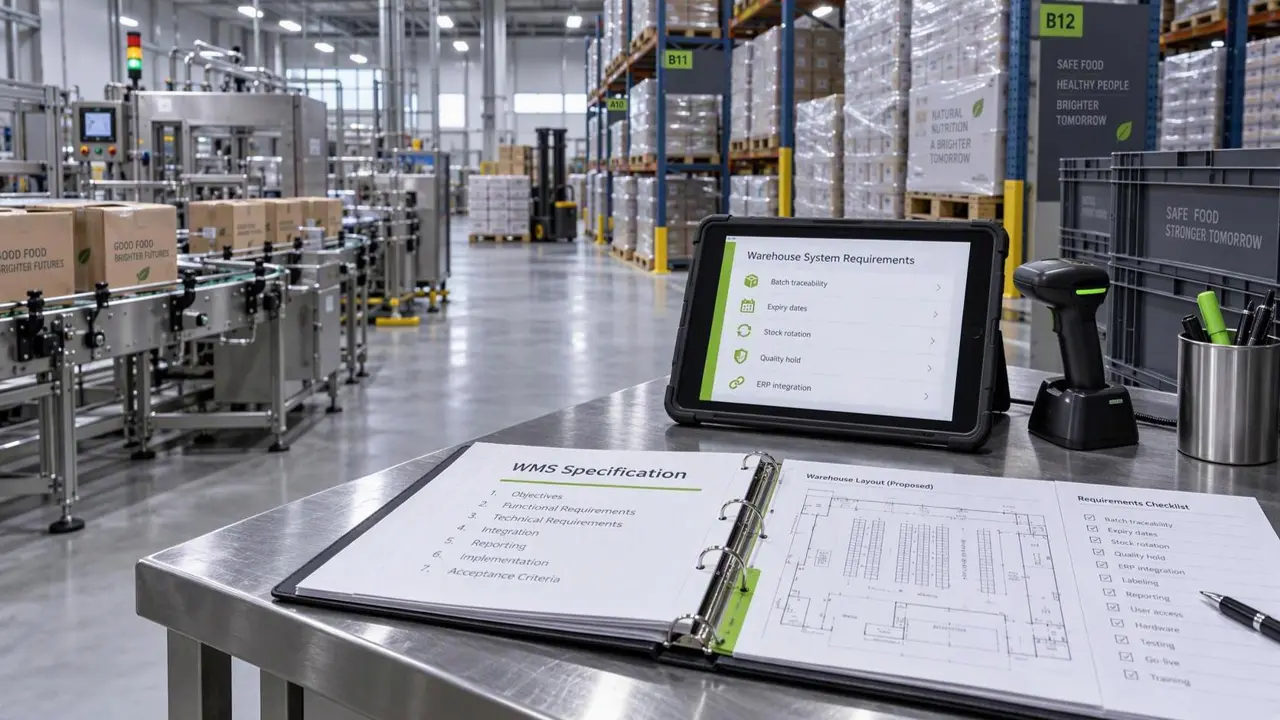
WMS specification
- Established food manufacturer
- Complex warehouse operation
- Independent WMS specification
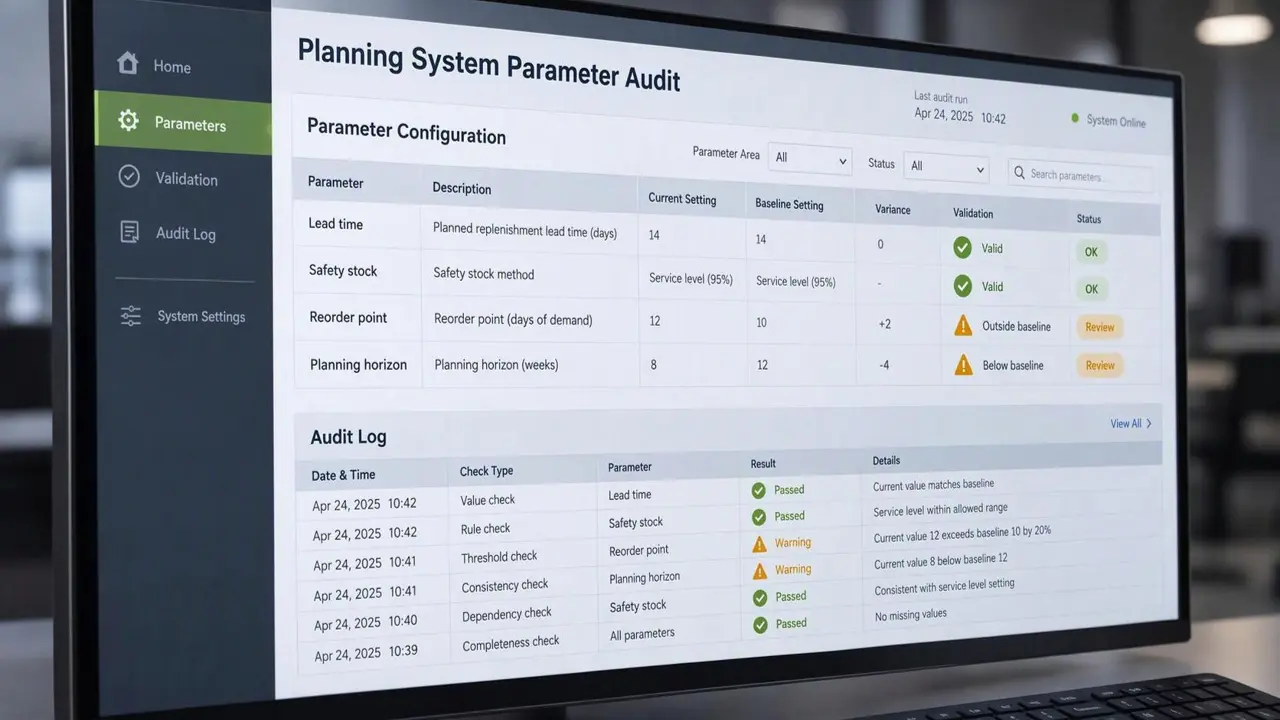
Planning system optimisation
- UK industrial manufacturer
- Operations across 60+ countries
- Planning system parameter audit
SERVICES
Supply chain systems services
WMS selection
- WMS requirements & specification
- System & vendor evaluation
- Implementation & automation alignment
Planning system audits
- Forecasting & inventory methods
- Planning parameters & policies
- Back-testing & validation
Supply chain advisory for AI
- Requirements & methodology
- Data & business rules
- Testing & validation
INSIGHT
Supply chain systems insights

Your WMS Can Do Too Much
More functionality can look like better value. It can also create a more complicated warehouse. When selecting a warehouse management system, functionality is inevitably important.
Default Settings Aren’t a Supply Chain Strategy
Planning systems need default values, but that does not mean those values should become permanent planning policy. Planning systems contain a considerable number of parameters.
Your WMS Is Only as Good as Its Exceptions
The real test of a WMS begins when things go wrong. Warehouse management systems are built around processes. Goods are received, put away and replenished;