























Home / Supply Chain Systems / Planning System Audits
Planning system audits
Challenge the assumptions, not just the system
INTRODUCTION
The planning system may not be the problem
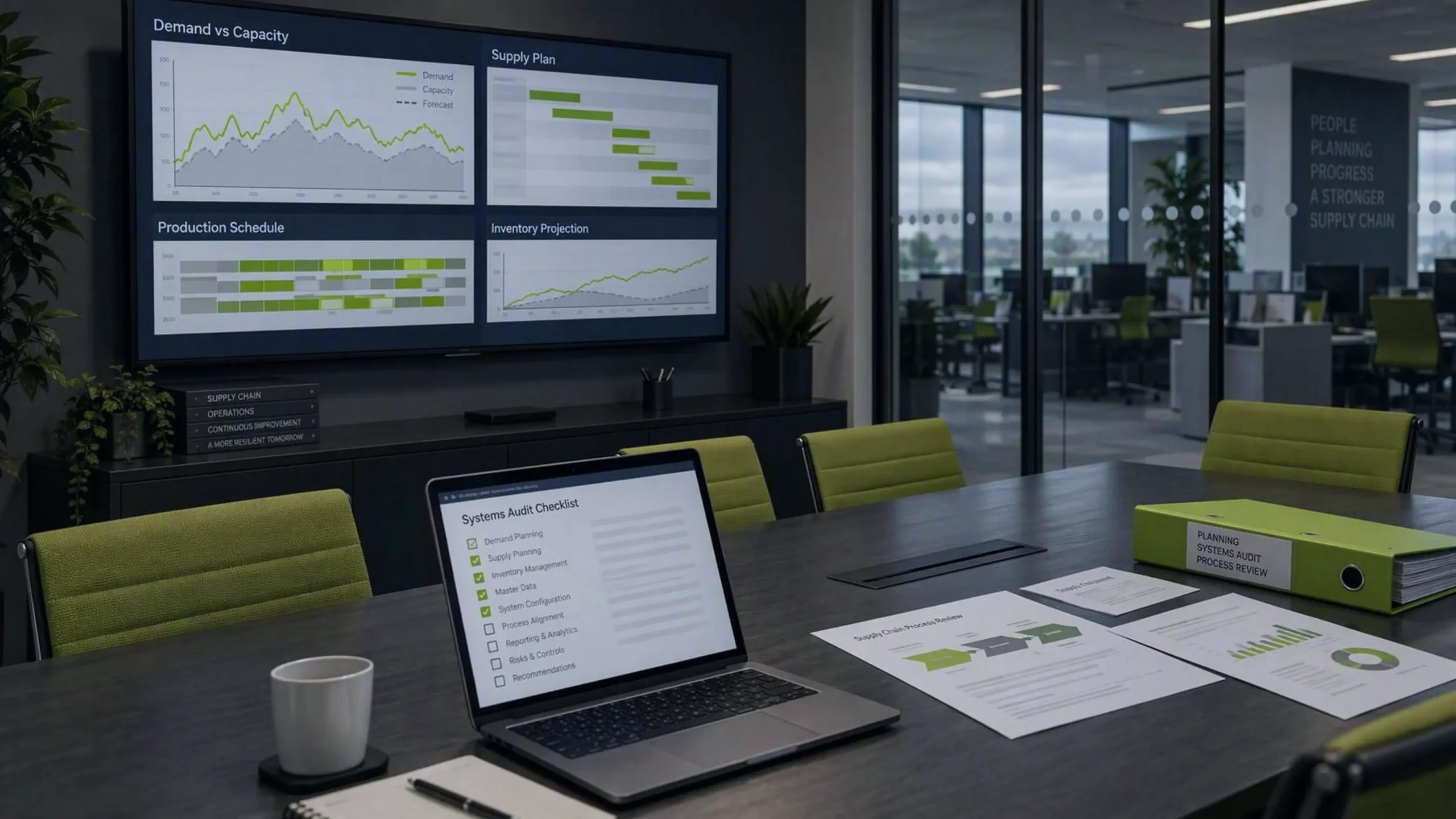
When forecasting, inventory or replenishment performance begins to cause concern, it is natural to question the planning system. Recommendations become difficult to explain, planners regularly override the outputs, inventory accumulates in the wrong places and product availability does not appear to justify the amount of stock being held.
PTL Co examines the forecasting methods, inventory policies, parameters and business rules used by the system, then tests them against actual demand, supply, lead-time, inventory and service performance.
The objective is to distinguish between a technology problem and a planning problem, identifying where better methodology, more appropriate parameters or clearer planning policies can improve decisions without unnecessarily replacing the system.
TRUSTED BY LEADING ORGANISATIONS


PLANNING SYSTEM REVIEW
Challenge the assumptions behind the recommendations
A planning system can only work with the methodology, parameters and business rules it has been given. As demand patterns, supplier performance, lead times and service requirements change, those assumptions may gradually become less representative of the supply chain they are intended to manage.
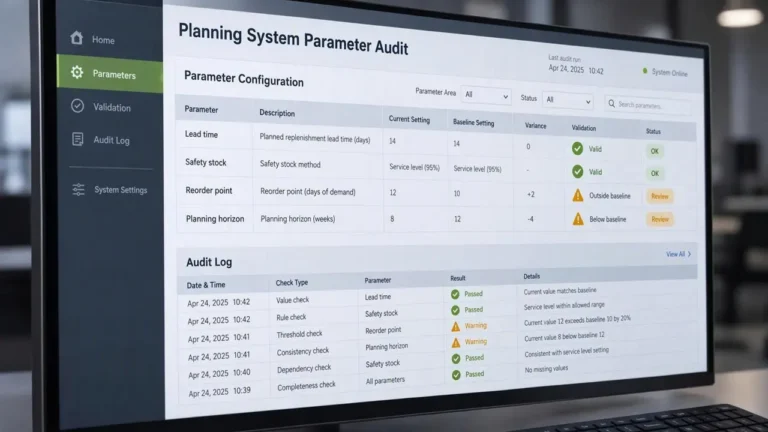
PTL Co reviews the planning logic behind the system, including forecasting methods and settings, safety stock, service levels, lead times, order quantities, replenishment parameters and relevant business rules. These are compared with actual operational performance to establish where the system assumptions and supply chain reality have diverged.
The result is a clearer understanding of what should change within the planning approach before considering whether the technology itself needs to change.
FEATURED CASE STUDY
Planning parameter optimisation
Parameter optimisation for a UK manufacturer
PARAMETER REVIEW
Change the settings that change the decision
Once the underlying planning logic has been understood, the next step is to identify which parameters are materially influencing performance. Not every setting warrants adjustment, and changing parameters simply because they appear old or inconsistent can introduce as many problems as it resolves.
PTL Co focuses on the parameters that affect planning decisions, using historical demand, actual lead times, inventory behaviour and service performance to test whether current settings remain appropriate. Recommendations are based on the evidence within the supply chain rather than theoretical optimisation for its own sake.
This provides a practical basis for improving planning performance while retaining parameters that continue to work and changing those that no longer reflect operational reality.
OUR PLANNING SYSTEM AUDIT SERVICES
Independent review from methodology to implementation
Planning methodology
Forecast settings
Safety stock & service levels
Lead times & supply parameters
Replenishment policies
Implementation & validation
INSIGHT
Planning systems articles & advice

Default Settings Aren’t a Supply Chain Strategy
Planning systems need default values, but that does not mean those values should become permanent planning policy. Planning systems contain a considerable number of parameters.
Your Safety Stock Is Probably Out of Date
Safety stock can look precise long after the assumptions behind it have stopped reflecting reality. Safety stock has a reassuring quality about it. It is
Your Planning System May Be Working Perfectly. Your Parameters Aren’t.
When the system may not be the problem When forecasting, inventory or replenishment performance begins to cause concern, it is natural to question the planning